Espresso vs. Coffee: Unraveling the Ultimate Caffeine Confusion

Is Espresso and Coffee the Same Thing? Here's What You Need to Know

Is espresso and coffee the same thing? The short answer: not exactly, but they are much closer than most people think.
Here is the quick breakdown to get you started:
- Espresso is a type of coffee - all espresso is coffee, but not all coffee is espresso.
- The difference is in the brewing method, not the beans themselves.
- Espresso uses fine grounds, high pressure (9 bars), and brews in 25-30 seconds.
- Drip coffee uses medium grounds, gravity, and brews in 4-6 minutes.
- Per ounce, espresso has more caffeine (40 mg to 63 mg) than drip coffee (10-12 mg).
- Per serving, a standard cup of drip coffee (95 mg) has more total caffeine than a single espresso shot (63 mg).
Think of it this way: espresso is a specific method of brewing coffee, the same way a stir-fry is a specific method of cooking vegetables. Same raw ingredient, very different result.
There is a lot of confusion around this topic, and it is completely understandable. The terminology, the equipment, the caffeine numbers - it can feel like a lot to unpack over your morning cup. Many people walk into a cafe wondering if they should order a standard drip brew or an espresso-based drink, unsure of how the taste, strength, and preparation differ.
I am Janice Kutz, owner of Flinders Lane Cafe in Maroochydore, and after 20-plus years in hospitality, I have answered the question of is espresso and coffee the same thing more times than I can count. Whether you are a curious first-timer or a seasoned coffee drinker looking to sharpen your knowledge, this guide breaks it all down simply and clearly. At Flinders Lane Cafe, we live and breathe coffee, and we love sharing this passion with our community.
Learn more about is espresso and coffee the same thing:
Is Espresso and Coffee the Same Thing? The Core Differences Explained
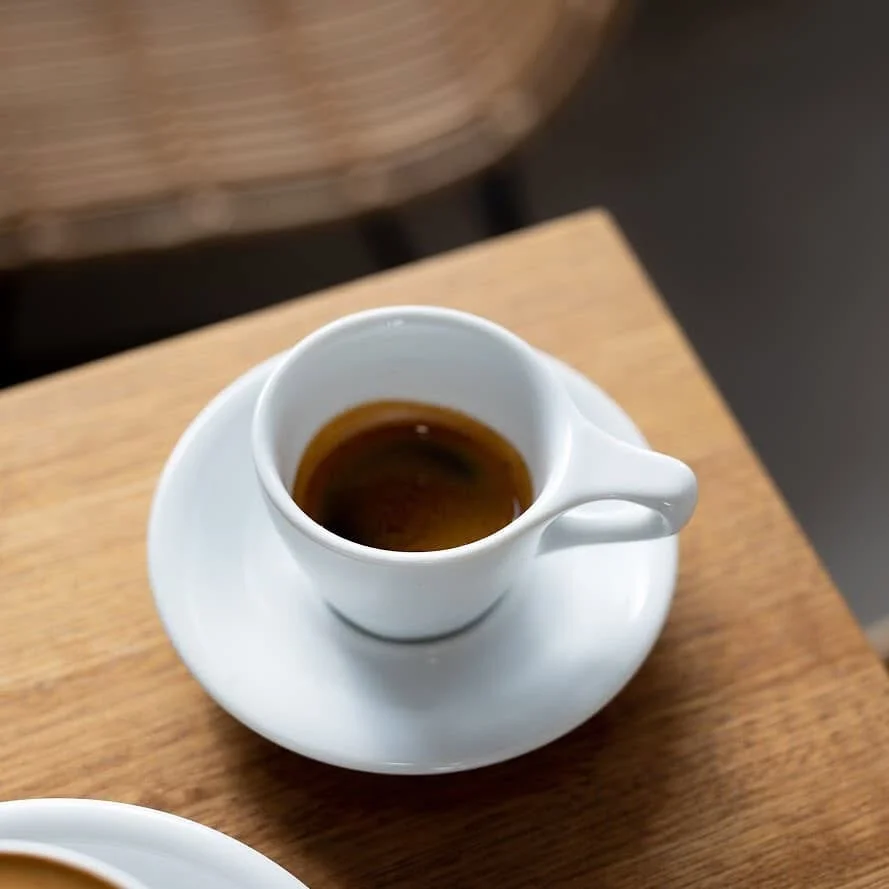
To truly understand if these two popular drinks are the same, we have to look past the liquid in the cup and focus on how they are created. The primary distinction lies in the physical extraction process. Drip coffee relies on time and gravity to slowly draw flavours out of medium-ground coffee. Espresso relies on high pressure and speed to force hot water through a tightly packed bed of finely ground coffee.
These mechanical differences completely alter the texture, concentration, and flavour of the final beverage. While drip coffee is light and clean, espresso is thick, intense, and covered in a beautiful golden layer of foam. To help you visualise these differences, we have mapped out the exact parameters for each method.
Our Beginners Guide To The Difference Between Coffee And Espresso is an excellent resource if you want to dive deeper into these distinct styles. Here is a quick look at how the two compare side by side:
| Parameter | Espresso | Drip Coffee |
|---|---|---|
| Grind Size | Very fine (like powdered sugar) | Medium (like coarse sand) |
| Water Pressure | 9 bars (about 130 psi) | 0 bars (gravity only) |
| Brewing Time | 25 to 30 seconds | 4 to 6 minutes |
| Brew Ratio | Roughly 1:2 (grounds to water) | Roughly 1:18 (grounds to water) |
| Serving Size | 1 ounce (about 30 ml) | 8 ounces (about 240 ml) |
Demystifying the Beans: Is Espresso and Coffee the Same Thing at the Source?
A very common myth in the coffee world is that espresso beans and regular coffee beans come from entirely different plants. We are here to tell you that this is simply not true. All coffee, whether it ends up as a filter brew or a concentrated shot, starts as the seed of a coffee cherry from either the Arabica or Robusta plant species.
The label "espresso beans" on a bag at your local shop is actually a roasting recommendation, not a botanical classification. Traditionally, roasters choose to roast beans destined for espresso much darker. This darker profile helps to reduce the natural acidity of the bean, making it taste sweeter and more balanced when extracted under high pressure. It also develops deep chocolate and caramel notes that easily cut through milk in drinks like lattes and flat whites.
However, you can absolutely use any coffee bean for any brewing method. If you put a light-roasted single-origin bean through an espresso machine, you will get a bright, fruity shot of espresso. If you put a dark espresso roast through a drip filter, you will get a bold, smoky cup of black coffee. You can explore this further in our articles on the Difference Between Espresso Beans And Coffee Beans and the Difference Between Coffee And Espresso Beans.
Brewing Science: Pressure, Gravity, and Grind Sizes
The magic of coffee extraction is all about surface area and contact time. Because drip coffee uses gravity, water flows slowly through the grounds. If the grounds were too fine, the water would get stuck, resulting in a bitter, over-extracted mess. That is why we use a medium grind, which looks like coarse sand, allowing the water to pass through evenly over four to six minutes.
Espresso is the exact opposite. Because we want a quick, concentrated shot, we grind the beans incredibly fine, similar to powdered sugar. This fine grind creates a massive amount of surface area, but it also packs together tightly, creating a lot of resistance. To get water through this dense puck of coffee, we need serious mechanical force.
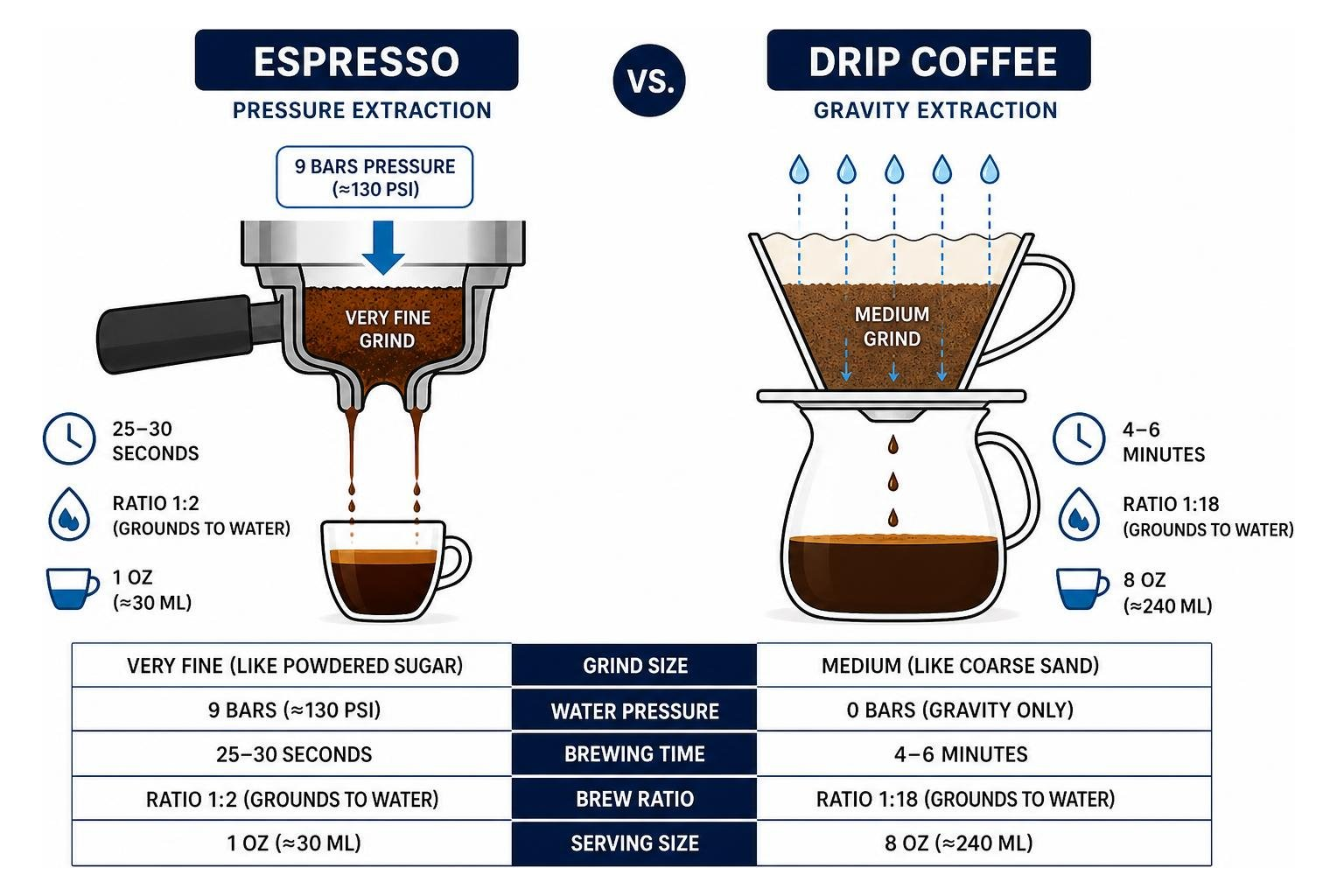
An espresso machine uses a pump to generate 9 bars of pressure, which is roughly 130 pounds per square inch. This is about the same pressure you would find inside a professional road bicycle tyre. This immense force quickly emulsifies the natural oils in the coffee, extracting a beautiful, complex shot in under thirty seconds. To learn more about mastering these variables, check out our Beginners Guide To Brew Coffee Vs Espresso and our deep dive on espresso vs coffee.
The Caffeine Math: Dose vs. Delivery in Your Cup
When people ask us is espresso and coffee the same thing, they are often really asking about the energy boost. There is a massive misconception that a single shot of espresso will keep you awake much longer than a standard mug of drip coffee. The truth is a bit of a trick question, depending on whether you measure by concentration or by serving size.
If we look at caffeine concentration per ounce, espresso is the clear winner. A single ounce of espresso contains about 63 mg of caffeine, while an ounce of drip coffee only has about 10 to 12 mg. However, nobody drinks drip coffee by the ounce.
When you look at standard serving sizes, the comparison flips. A standard single espresso shot is 1 ounce and delivers about 63 mg of caffeine. A typical 8-ounce mug of drip coffee delivers around 95 mg of caffeine because of the larger volume of water passing through the grounds over a longer period.
If you want to understand how this caffeine delivery affects your daily routine, read through our Espresso Vs Coffee Caffeine Guide, discover How Much Caffeine Is In A Double Espresso Shot, or browse The Espresso Caffeine Guide What You Need To Know.
Crema vs. Clarity: Texture, Mouthfeel, and Taste Profiles
The sensory experience of drinking these two beverages is incredibly different. When you look at a freshly pulled shot of espresso, the first thing you notice is the crema. This is the velvety, golden-brown foam that sits on top of the liquid. Crema is created when the high pressure of the espresso machine forces carbon dioxide gas to dissolve into the liquid, emulsifying the natural coffee oils into tiny, stable bubbles. It adds a rich, creamy mouthfeel and carries a lot of the aromatic complexity of the coffee.
Drip coffee does not have crema because it is brewed without pressure. Instead, drip coffee is often passed through a paper filter, which traps the natural oils and fine sediment. This results in a highly clear, clean cup of coffee.
In terms of taste, espresso is incredibly bold, intense, and heavy on the tongue. It acts as a flavour magnifier, intensifying both the sweet and bitter compounds of the bean. Drip coffee acts more like a translator, offering a gentler, more balanced cup that allows you to slowly appreciate delicate floral or fruity notes. You can read more about these sensory differences in our Espresso Vs Espresso Coffee Guide.
Replicating the Magic: Can You Brew Espresso Without a Machine?
If you do not own a high-end espresso machine, you might wonder if you can recreate that rich, syrupy texture at home. The short answer is that true espresso requires a minimum of 9 bars of pressure, which can only be achieved with a dedicated machine. However, you can make some incredibly delicious, highly concentrated alternatives using simple home brewers.
The Moka pot is a classic Italian stovetop brewer that uses steam pressure to push water up through coffee grounds. It only generates about 1 to 2 bars of pressure, but it produces a wonderfully strong, dark cup of coffee that makes an excellent base for milk drinks.
The AeroPress is another fantastic, versatile tool. By using manual plunger pressure, you can create a concentrated brew that mimics the strength of espresso, even if it lacks the signature crema. If you are looking to choose the best home setup for your lifestyle, our Coffee Vs Espresso Guide 2026 covers all the pros and cons of each method.
The Health Verdict: Is Espresso and Coffee the Same Thing for Your Well-being?
From a nutritional standpoint, black coffee and black espresso are virtually identical. They are both incredibly low in calories and packed with beneficial antioxidants, particularly chlorogenic acids, which help reduce inflammation.
However, they can affect your body differently depending on your digestion. Because espresso is brewed using dark roasts and has a very short extraction time, it actually contains fewer acidic compounds than a cup of light-roast drip coffee. This makes espresso a fantastic choice for people who suffer from acid reflux or have sensitive stomachs.
The healthiest option is the one that agrees with your body and contains the fewest sweet additives. Drinking your brew black, or with just a splash of milk, allows you to enjoy all the natural health benefits without any added sugar.
Why Flinders Lane Cafe is Your Go-To for the Perfect Brew

Now that you know the science behind your morning fix, why not experience the difference in person? At Flinders Lane Cafe, we believe that exciting things happen when people come together over good coffee and food. Our cafe is designed to be a warm, inviting space where the local community of Maroochydore and the wider Sunshine Coast can connect, relax, and share enjoyable experiences.
Janice Kutz and our friendly team are passionate about serving beautifully crafted specialty coffee, from perfectly balanced espresso shots to soothing tea. We are also proud to be a dog-friendly venue, meaning your furry friends are always welcome to join you in our outdoor seating area, where we serve up delicious puppacinos complete with treats.
Pair your favourite brew with something from our delicious breakfast and brunch menu. Whether you are after a quick bite on the go or a long, lazy weekend feed, we have something to hit the spot:
- Brekky Muffin - perfect for a quick morning start
- B&E Roll - a classic favourite done right
- Eggs on Toast - simple, fresh, and satisfying
- Ham & Cheese Toastie - melted perfection
- Avocado Toast - fresh and loaded with flavour (gfo)
- Bacon Benny - our signature take on a classic benedict
- Chilli Scramble - a delicious kick to start your day
- Veggie Sando - packed with fresh, seasonal ingredients (v)
- Reuben Sando - bold, savoury, and incredibly satisfying
- Smoothies - choose from our classic Mango (frozen mango, banana, honey & milk) or Berry (frozen mixed berries, yoghurt, honey & milk)
We are located right in the heart of the community at Unit 2/31 Flinders Lane, Maroochydore 4558. We love welcoming locals and visitors from Cotton Tree, Alexandra Headland, Buderim, and North Buderim.
Our opening hours are:
- Monday to Friday: 6:00am - 1:30pm
- Saturday & Sunday: 7:00am - 1:00pm
Take a look at our full Flinders Lane Cafe Menu to plan your next meal, or read through our Flinders Lane Cafe News to stay updated on our latest seasonal specials. If you are planning an event or simply want to say hello, get in touch via our Contact Flinders Lane Cafe page.
Drop by Flinders Lane Cafe in Maroochydore and treat yourself to your morning fix today! Show our staff your 5-star review and receive a FREE small coffee on us!