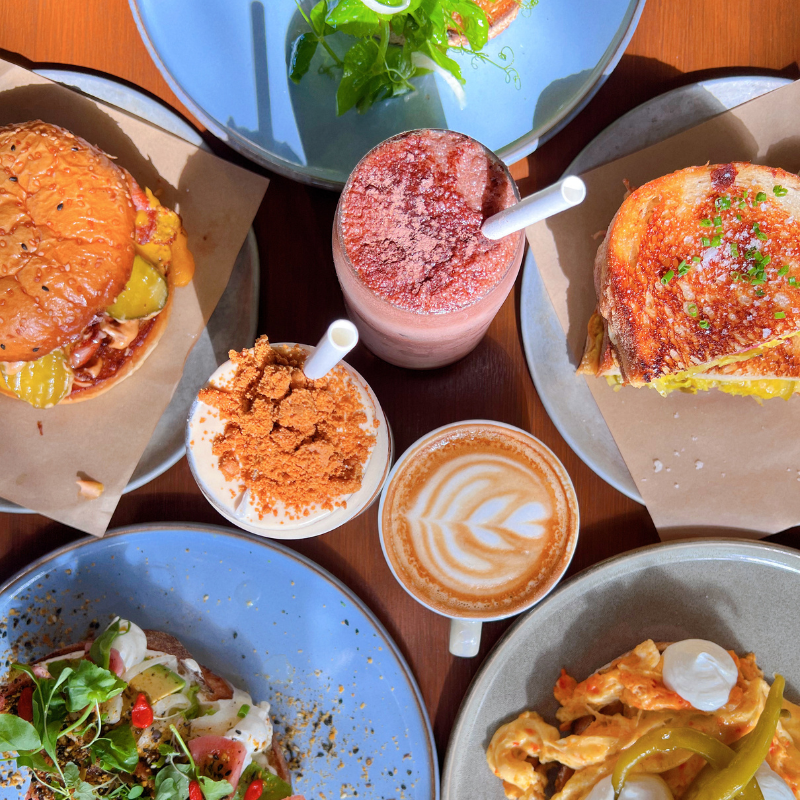
How to Make a Better Iced Coffee at Flinders Lane Cafe

How to Make a Better Iced Coffee in Maroochydore

A better iced coffee is not simply a hot coffee poured over ice. It is a balance of coffee strength, milk, sweetness and dilution. At Flinders Lane Cafe in Maroochydore, the most useful starting point is to decide whether the priority is a bold coffee taste, a creamier drink or a lighter chilled option.
Ice changes a drink as it melts. That is why an iced coffee that tastes balanced at the first sip can become weak later. Choosing a more concentrated coffee base, using less milk or selecting a less sweet option can help the coffee flavour stay clear from start to finish.
Quick takeaways
- Choose the coffee base first. Espresso-led styles keep more roast and body, while cold-brew styles are usually smoother and less sharp when available.
- Think about dilution. More ice creates a colder drink but can soften the flavour as it melts.
- Match milk to the desired texture. A milkier iced coffee is rounder and gentler, while less milk keeps the coffee more prominent.
- Set the sweetness early. A lightly sweet drink is easier to adjust than one where syrup or sugar covers the coffee.
- Use the current menu for availability. The Flinders Lane Cafe menu is the best place to check today’s drink options.
A watery or overly sweet iced coffee can lose the character that makes it satisfying. A well-chosen version should still taste like coffee after the ice begins to melt, while feeling refreshing enough for a Sunshine Coast morning or afternoon.
What Makes an Iced Coffee Feel Better?
The best iced coffee choice depends on what should stand out in the cup. Some people want a brisk, espresso-forward drink with a clear roast flavour. Others prefer milk to soften the edges, or a cold-brew style when it is available for a smoother, lower-acidity profile. These are ordering preferences rather than a recipe, so the focus stays on choosing a drink that suits the moment.
Start with coffee strength
Coffee strength is about more than how much caffeine is in the drink. In an iced coffee, it is the intensity of the coffee flavour after cold milk and melting ice have had their effect. An espresso-led option generally has a more direct, roasted taste and can work well for anyone who wants the coffee to remain noticeable.
A milkier choice can be a better fit when a softer, creamier texture is the goal. Milk rounds out bitterness and can make an iced coffee feel more like a relaxed breakfast or brunch drink. The trade-off is that a large amount of milk can cover lighter coffee notes, especially once the ice starts to dilute the drink.
Cold brew, when listed on a café menu, offers another style to consider. It is typically known for a smoother profile and less immediate sharpness than espresso. It is not automatically stronger or better than espresso, but it can suit people who enjoy a mellow chilled coffee without a pronounced roasted finish.
Consider acidity and caffeine separately
Acidity, bitterness and caffeine are often confused, but they describe different parts of the coffee experience. Acidity can make coffee taste bright, crisp or lively. Bitterness is the deeper roasted edge that becomes more noticeable in some espresso-led drinks. Caffeine affects how stimulating the drink feels, but it does not reliably tell you whether the coffee will taste bold, smooth or sweet.
For ordering purposes, this distinction can make an iced coffee choice easier. Someone who enjoys a brighter, more vivid coffee flavour may prefer an espresso-led option with minimal milk. Someone who finds that style too sharp may prefer more milk or a cold-brew style, when available, because the result can taste softer even if it still contains a meaningful coffee base.
There is no single “strongest” iced coffee for every palate. A drink can taste intense because it has a concentrated espresso flavour, while another may feel smoother yet still deliver a substantial coffee hit. Focusing on flavour and texture first helps avoid choosing purely by caffeine assumptions.
Understand what ice dilution changes
Ice is essential to an iced coffee, but it also changes flavour over time. At the beginning, the drink may taste concentrated and cold. As the ice melts, the same drink can become lighter, thinner and less sweet. That is normal, but it is worth considering before ordering.
For a drink that will be enjoyed quickly, a softer coffee base or a milkier style can feel balanced from the first sip. For a longer catch-up, a coffee-forward base often holds up better as the ice melts. A smaller amount of sweetener can also help, because dilution can reduce intensity without making an already sweet drink taste cleaner.
The practical question is simple: should the drink stay bold as it warms slightly, or should it begin smooth and easy to sip? Choosing the coffee base with that in mind makes the order more personal without turning it into a complicated formula.
Choose sweetness with the coffee, not against it
Sweetness should support coffee flavour rather than replace it. A lightly sweet iced coffee can soften bitterness while still allowing espresso or cold-brew notes to come through. A sweeter choice may suit anyone looking for a dessert-like finish, but it can make it harder to notice the difference between coffee styles.
If the usual preference is for a less sweet drink, start with no added sweetness or only a small amount. If a sweeter finish is preferred, pairing it with a coffee-forward base helps maintain balance. This is especially useful on warm days, when a heavily sweetened iced drink can feel less refreshing than expected.
Milk also affects perceived sweetness. A creamier drink can seem naturally softer even without extra sugar, while a black or lightly milked coffee may show more bitterness and acidity. Thinking about milk and sweetness together makes it easier to find a style that tastes balanced rather than simply strong or sugary.
Match the style to the visit
An iced coffee can suit a quick morning stop, a slower breakfast or a casual afternoon break in Maroochydore. An espresso-led choice often suits a more direct coffee moment. A milkier iced coffee can feel more relaxed alongside breakfast or brunch. A cold-brew style, if it is on the current menu, may be appealing for a mellow option on a warm Sunshine Coast day.
The menu should guide what is actually available, but the decision can still be clear before arriving: choose espresso for a bolder coffee profile, milk for a rounder texture, cold brew for a smoother chilled style, and sweetness only to the level that still lets the coffee taste like coffee.
Iced coffee questions, answered
What should be ordered for a stronger coffee flavour?
Look for an espresso-led iced coffee or another option where the coffee base remains the main flavour. Less milk and modest sweetness usually make the coffee character easier to notice, while ice dilution becomes more important if the drink will be enjoyed slowly.
Is iced coffee a good match for breakfast or brunch?
Yes. A milkier iced coffee can sit comfortably with a slower breakfast or brunch, while a more espresso-forward option can suit a quicker morning visit. The right choice depends on whether the preference is for richness, refreshment or a clearer coffee taste.
Are there alternatives for a warm Sunshine Coast day?
A cold-brew style can be a smooth alternative when it is available on the current menu. Flinders Lane Cafe also lists a menu for checking the day’s drink choices before visiting, which is more reliable than relying on a fixed description.

Make the Next Coffee Break Count
A better iced coffee comes down to choosing a chilled drink that matches personal taste and the pace of the visit. Start with the coffee profile, then decide how much milk, ice dilution and sweetness will make it feel balanced from the first sip to the last.
Key points to remember
- Coffee strength comes first. Espresso-led options keep a bolder coffee character, while cold-brew styles are generally smoother when available.
- Ice affects flavour over time. Melting ice can make a drink lighter, so a coffee-forward base may suit a longer visit.
- Milk changes texture. More milk creates a creamier, softer drink, while less milk keeps the coffee more distinct.
- Sweetness works best in moderation. It should complement the coffee instead of covering it.
- Check the current menu before visiting. Availability can change, so the live menu is the most reliable reference.
Planning an easy Maroochydore visit
For a quieter start, an espresso-forward iced coffee can offer a more direct coffee hit before the day gets busy. For a slower breakfast or brunch, a milkier iced coffee may suit a more relaxed pace. A simple ordering guide can help narrow it down. Choose an espresso-led style when the main goal is a bold coffee taste that stays noticeable as the ice melts. Choose more milk when a gentler, creamier texture is more appealing. Choose a cold-brew style only when it is listed and a smoother profile is preferred. Then keep sweetness modest unless a sweeter finish is genuinely the priority. This approach keeps the decision focused on flavour, texture and how long the iced coffee will be enjoyed on a warm Sunshine Coast summer or spring day.
Flinders Lane Cafe is at Unit 2/31 Flinders Lane, Maroochydore 4558. Current opening hours are Mon-Fri 6:00am -1:30pm and Saturday & Sunday 7:00am-1:00pm.
Ready for an iced coffee in Maroochydore? Browse the current Flinders Lane Cafe menu, explore Flinders Lane Cafe before visiting, or contact Flinders Lane Cafe with a general enquiry.