Cold Brew vs Iced Coffee: Why Your Summer Caffeine Fix Matters

Cold Brew Coffee vs Iced Coffee: Key Differences in Extraction and Profile
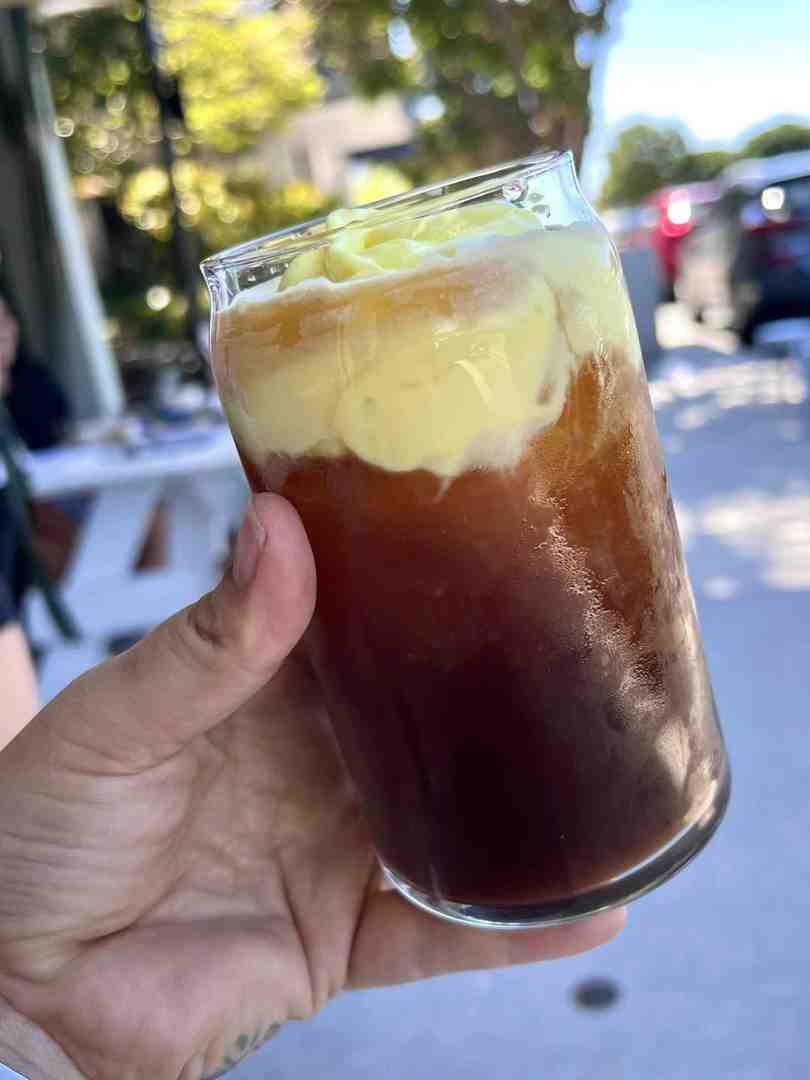
Understanding cold brew coffee vs iced coffee starts with looking under the hood at extraction science. Coffee extraction is the fundamental chemical process of dissolving soluble compounds, natural oils, organic acids, and caffeine out of ground coffee beans using water. While both options deliver a wonderfully refreshing chilled experience, the thermal energy involved during brewing drastically alters the chemical composition, flavour notes, mouthfeel, and shelf life of the final beverage.
Hot water acts as a rapid solvent. When hot water (typically between 90°C and 96°C) hits freshly ground coffee beans, thermal energy speeds up the kinetic energy of water molecules. This allows water to extract soluble organic compounds almost instantaneously. This rapid dissolution draws out delicate volatile aromatics, floral notes, and bright fruit acids within seconds. However, high heat also dissolves higher amounts of bitter compounds, chlorogenic acids, and quinic acids. When traditional iced coffee is prepared by brewing hot espresso or pour-over coffee directly over ice or chilling standard hot coffee, it captures these vibrant, highly acidic, and aromatically complex high notes.
Cold water, on the other hand, operates under completely different thermodynamic principles. Without thermal energy to force rapid extraction, cold brew relies entirely on time and steady saturation. Over an extended 12 to 24-hour immersion period, cold water gradually and gently dissolves natural sugars, heavy lipids, and deep chocolatey compounds from the coffee grounds. Crucially, because cold water lacks the heat required to solubilise specific bitter compounds, cold brew leaves behind up to 67% of the harsh acidic compounds that hot water dissolves.
This fundamental structural difference affects bean volume, extraction yield, and overall prep time. Cold brew requires a much higher coffee-to-water ratio and an overnight wait, making it a rich, concentrated beverage. Traditional iced coffee uses standard ground ratios and brews in under 5 minutes, relying on temperature shock or rapid chilling to lock in aroma.
Comparing Core Extraction Metrics
To fully appreciate how these two chilled drinks compare side by side, it helps to examine their primary brewing parameters and physical characteristics in detail:
- Water Temperature: Cold brew uses cool or room temperature water (15°C to 20°C), while iced coffee relies on near-boiling water (90°C to 96°C) to instantly extract soluble compounds.
- Ground-to-Water Ratio: Cold brew requires a dense, highly concentrated ratio (1:5 to 1:8), whereas iced coffee uses standard brewing ratios (1:15 to 1:17).
- Prep Duration: Cold brew steeps slowly for 12 to 24 hours, while iced coffee brews in 2 to 5 minutes.
- Chemical Extraction: Cold brew extracts high natural sugars, smooth lipids, and low acidity, while iced coffee yields high volatile aromatics and higher titratable acidity.
- Mouthfeel and Body: Cold brew produces a heavy, round, and velvety mouthfeel, while iced coffee delivers a lighter, crisp, and sparkling texture.
- Milk Pairing Compatibility: Cold brew pairs exceptionally well with rich whole milk or oat milk without losing its smooth cocoa base, whereas iced coffee provides a sharp espresso contrast that cuts cleanly through cold dairy or plant milks.
- Cafe Price Point: Cold brew sits at a slightly higher price point due to the massive volume of coffee beans required and lengthy steeping time, while iced coffee stays closer to standard espresso pricing.
| Extraction Metric | Cold Brew Coffee | Traditional Iced Coffee |
|---|---|---|
| Water Temperature | Cool or room temp (15°C–20°C) | Near boiling (90°C–96°C) |
| Ground-to-Water Ratio | High density (1:5 to 1:8) | Standard (1:15 to 1:17) |
| Prep Duration | 12 to 24 hours steeping | 2 to 5 minutes brewing |
| Chemical Extraction | High natural sugar, low acid | High volatile aromatics, high acid |
| Mouthfeel & Body | Velvety, heavy, exceptionally smooth | Crisp, light, vibrant, refreshing |
| Cafe Price Point | Higher (uses more beans + time) | Standard (similar to hot coffee) |
Cold Brew Coffee vs Iced Coffee: How Brewing Temp Shapes Flavour and Acidity
The choice of brewing temperature completely transforms what you taste in your glass. Thermal extraction aggressively releases chlorogenic and titratable acids, which gives hot-brewed iced coffee a distinctly bright, snappy, and lively profile. When sipping quality iced coffee, you will frequently notice delicate floral aromatics, crisp citrus brightness, caramel undertones, and vibrant berry notes. The initial aromatic blast of iced coffee comes from volatile aromatics that can only be unlocked through hot steam and near-boiling water.
Cold steeping changes the sensory profile entirely. The low-temperature process limits acid solubility while steadily drawing out smooth, mellow, and intensely sweet flavours over many hours. If you prefer a full-bodied beverage with tasting notes of dark chocolate, toasted hazelnut, brown sugar, and subtle molasses, cold brew delivers a silky cup every single time.
This marked decrease in titratable acidity makes cold brew remarkably gentle on the human digestive system. If traditional hot or iced coffee occasionally causes stomach discomfort, gastric distress, or an uncomfortable heartburn sensation, switching to low-acid cold brew is often the ideal solution. The absence of harsh heat prevents chlorogenic acid from breaking down into bitter quinic acid, ensuring a silky drink from start to finish. You can learn more about these sensory differences in our detailed post asking does cold brew taste different than iced coffee.
Cold Brew Coffee vs Iced Coffee: Caffeine Punch and Digestibility
When evaluating cold brew coffee vs iced coffee, caffeine content is a major factor for discerning coffee enthusiasts. Many drinkers want to know whether cold brew actually delivers a stronger caffeine kick than standard iced coffee.
In short: yes, undiluted cold brew concentrate contains roughly double the caffeine concentration of standard iced coffee per unit of volume. A standard 8 oz serving of cold brew concentrate yields between 150 mg and 200 mg of caffeine, whereas an 8 oz glass of standard iced coffee provides approximately 80 mg to 120 mg.

This elevated caffeine level is a direct result of the brew ratio. Cold brewing utilises double or triple the weight of dry ground coffee beans compared to hot espresso or pour-over methods. Even though heat accelerates caffeine extraction speed, extended contact time over 12 to 24 hours combined with a high coffee mass yields a far more potent liquid.
For anyone who suffers from digestive sensitivity or acid reflux, cold brew is the superior choice. Containing up to 67% less acid than traditional hot-brewed options, it offers a smooth, sustained boost of energy without aggravating sensitive digestive tracts. For an in-depth look at strength metrics and caffeine ratios, explore our guide on whether is cold brew coffee stronger than regular coffee.
Bean Selection, Grind Sizes, and Steep Times
Achieving maximum flavour potential from either preparation method requires matching bean origin, roast level, and grind particle size to your exact extraction style.
For cold brew, an extra-coarse grind is absolutely essential. Fine or medium grounds will over-extract during a long 24-hour immersion, resulting in a cloudy, astringent, and unpleasantly muddy beverage that is nearly impossible to filter cleanly. Medium-dark to dark roasts featuring natural notes of Dutch cocoa, roasted walnuts, caramel, and dark berries thrive under cold immersion.
When managing steep times, 12 to 18 hours at room temperature (or up to 24 hours in a refrigerated environment) yields optimal sweetness and balance. Steeping beyond 24 hours risks extracting woody, paper-like flavours and bitter tannins from the bean cellulose. A dedicated steep vessel or French press with coarse mesh ensures complete separation of grounds. Check out our comprehensive post on cold brew brewing time to fine-tune your home or professional setup.
Conversely, iced coffee performs best with a medium or medium-fine grind size. If you are brewing a fresh pour-over or espresso directly over ice, light to medium roasts are ideal. Light roasts retain complex, fruit-forward aromatics and delicate floral acids that shine when chilled rapidly.
Key Variables for Cold Brewing Success
To maintain absolute quality and consistency when preparing cold brew, coffee makers must carefully control several crucial brewing variables:
- Water Purity: Clean, filtered water eliminates chlorine and heavy minerals that can mask subtle bean flavours.
- Grind Uniformity: Consistent coarse particles ensure balanced extraction without sediment bypass.
- Temperature Control: Room temperature immersion accelerates extraction, whereas refrigerated steeping enhances clarity and sweetness.
- Multi-Stage Filtration: Passing liquid through metal mesh followed by fine paper filters removes micro-particulates for a silky texture.
- Dilution Precision: Maintaining a pure concentrate allows flexibility to serve over ice, dilute with filtered water, or mix with fresh dairy and plant-based milks.
Storage Shelf Life and Meal Prepping Benefits
For individuals with busy schedules who love preparing their daily beverages in advance, cold brew offers unmatched storage stability and convenience.
Once properly filtered, pure cold brew concentrate can be sealed in a clean glass bottle and refrigerated for up to 14 days without degradation of flavour. Because cold brew never undergoes heat-induced oxidation, it avoids the rapid breakdown of lipids and volatile oils that causes leftover hot coffee to turn sour and harsh within hours. You can simply pour a portion of cold concentrate over ice, add cold filtered water or milk, and enjoy a fresh drink in seconds.
Traditional iced coffee lacks this longevity. Hot-brewed coffee begins oxidising as soon as it cools down. Chemical compounds break down rapidly when exposed to oxygen, creating noticeable bitterness, sourness, and stale aromatics within 12 to 24 hours.
Here is a practical tip for cold brew lovers: if you have extra cold brew concentrate stored in your fridge, you can easily heat it up in a saucepan over medium heat. Heating cold brew concentrate provides a soothing, low-acid hot cup of coffee that remains completely gentle on your digestive system while preserving its smooth chocolate notes.
Japanese Flash Brew vs Slow Cold Steeping
While standard iced coffee often involves cooling down hot espresso or drip coffee, Japanese flash brewing represents a precise, high-clarity alternative.
The Japanese flash-brew method involves brewing hot pour-over coffee directly onto a pre-measured bed of clean ice cubes. As near-boiling water passes through medium-ground coffee beans, it extracts delicate volatile esters, floral aromatics, and crisp fruit acids. The moment the hot liquid drips into the server, the ice instantly chills it, locking those complex aromatics in place before they can evaporate into the atmosphere.
Flash brewing yields a crisp, highly aromatic chilled coffee in just 5 minutes with zero wait time. It stands as a brilliant contrast to slow cold immersion, catering to drinkers who love the bright, sparkling acid profile of single-origin beans.
Both extraction methods offer distinct sensory profiles for chilled coffee enthusiasts. Deciding between them comes down to whether you prefer the deep, chocolatey, heavy-bodied profile of cold brew or the bright, aromatic, and tea-like sparkle of flash brewing.
Your Perfect Chilled Coffee is Waiting in Maroochydore

Choosing between cold brew coffee vs iced coffee ultimately comes down to your personal taste preferences, how you plan your day, and how you like to fuel your daily routine across our region.
If you are heading out for an early morning workout or preparing for an intense workday, cold brew delivers a sustained, low-acid energy boost that keeps you feeling focused without digestive upset. On a warm, sunny weekend, a freshly prepared iced coffee provides a bright, crisp, and energetic sip that complements a hearty breakfast dish.
Across Maroochydore and the Sunshine Coast, our warm climate makes chilled coffee an absolute daily necessity. Whether you enjoy the velvety smoothness of a slow-steeped cold brew or the crisp, aromatic pop of a classic iced coffee, having a welcoming spot to kickstart your morning routine makes all the difference.
Why Flinders Lane Cafe is Your Go-To Local Destination
At Flinders Lane Cafe, we live and breathe exceptional coffee, nutritious food, and genuine hospitality. Owned and operated by Janice Kutz, our cafe was established on a simple core belief: wonderful things happen when people gather over great drinks and delicious meals. Bringing people together should always be sustainable, effortless, and delightful for everyone in our community.
We serve smooth cold brew and chilled iced coffees prepared with meticulous attention to extraction detail. From full-bodied espresso options to soothing matcha beverages and premium hot teas, we have all of your daily beverage desires covered.
Looking for a cool, fruity option to refresh your morning? We blend two signature smoothies fresh to order every day:
- Mango Smoothie: A refreshing, tropical blend of sweet frozen mango, banana, honey, and milk.
- Berry Smoothie: A delicious mix of antioxidants featuring frozen mixed berries, yoghurt, honey, and milk.
Our kitchen menu is packed with satisfying breakfast and lunch options designed to energise your morning. Try our famous Bacon Benny, enjoy a bold kick with our Chilli Scramble, or opt for a wholesome Veggie Sando (v) or classic Reuben Sando. We also prepare warm Brekky Muffins, B&E Rolls, Eggs on Toast, Avocado Toast (gfo), and comforting Ham & Cheese Toasties. Every item on our menu is thoughtfully prepared with high-quality ingredients to provide a memorable dining experience.
We take great pride in creating an inclusive space where everyone feels right at home, including your furry companions! We are proudly dog-friendly, offering puppacinos topped with tasty treats on our outdoor patio so your dog can enjoy morning brunch right alongside you.
Visit Us in Maroochydore Today
Whether you are dropping by for a quick takeaway cold brew before work or settling in for a relaxed weekend breakfast with friends and family, our dedicated team is always ready to welcome you with a warm smile and fantastic service.
Explore our complete selection of cold beverages, espresso options, and wholesome breakfast dishes on our Menu.
Have a question about our menu offerings, dietary options, or planning a group catch-up? Reach out to us directly through our Contact Us page.
Need help finding us? You can easily find Flinders Lane Cafe on Google Maps to get exact turn-by-turn directions to our front door.
Cafe Location & Opening Hours:
- Address: Unit 2/31 Flinders Lane, Maroochydore 4558
- Monday – Friday: 6:00am - 1:30pm
- Saturday & Sunday: 7:00am - 1:00pm
Stop by Flinders Lane Cafe in Maroochydore today and enjoy your ultimate morning coffee fix! Show our friendly team your 5-star review and receive a FREE small coffee on us!